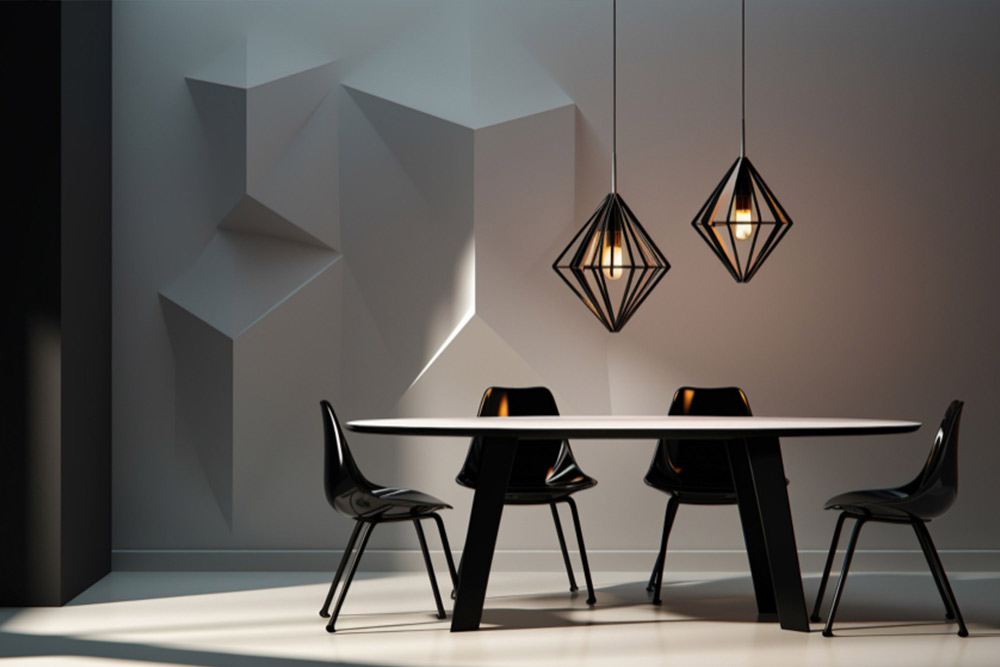
When planning an interior, furniture, flooring, colours, and wall finishes usually receive most of the attention.
But there is another element that can completely change the way a space looks and feels: lighting.
The right lighting can make a room feel larger, warmer, more elegant, and more comfortable. Poor lighting, on the other hand, can make even a beautifully designed interior feel flat.
Understanding how different types of lighting work together is therefore an important part of successful interior design.
Why Lighting Matters
Lighting does more than illuminate a room.
It influences:
- Mood
- Visual comfort
- Room proportions
- Colour perception
- Architectural details
- Focal points
- Functionality
A well-designed lighting plan can enhance the materials and architectural features already present in the room.
1. Ambient Lighting
Ambient lighting provides the general illumination of a room.
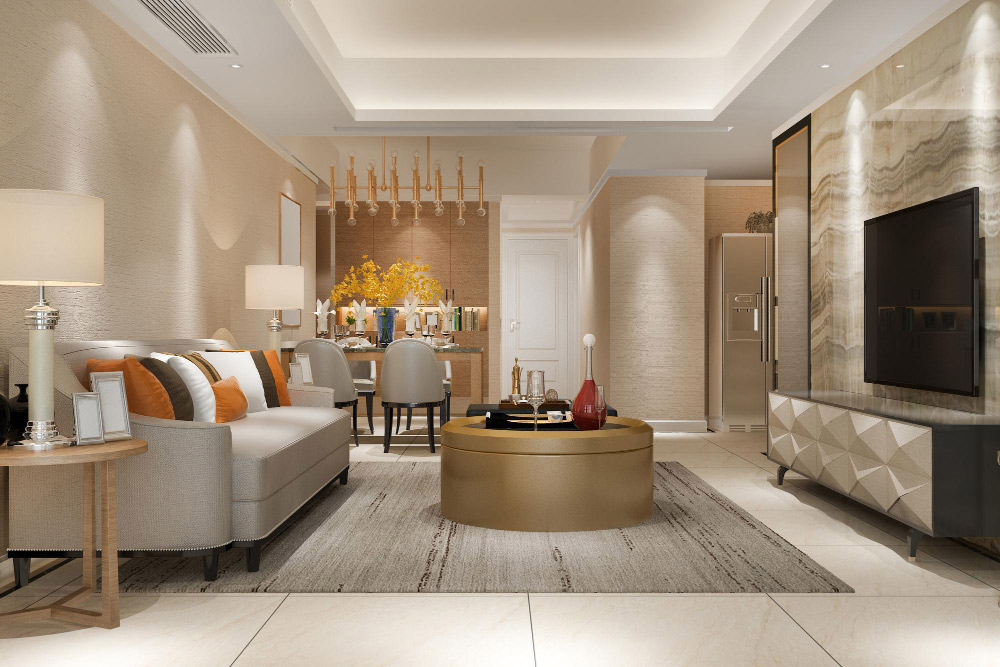
Ceiling lights, recessed lights, and concealed cove lighting are commonly used to create overall brightness.
The goal is to ensure that the room is comfortable to move through without creating harsh shadows.
2. Task Lighting
Task lighting is designed for specific activities.
Examples include:
- Kitchen counter lighting
- Study lamps
- Bedside lights
- Dressing-area lighting
- Reading lights
Task lighting should be positioned according to how the area will be used.
For example, a home office needs focused illumination that reduces eye strain while working.
3. Accent Lighting
Accent lighting is used to draw attention to specific features.
It can highlight:
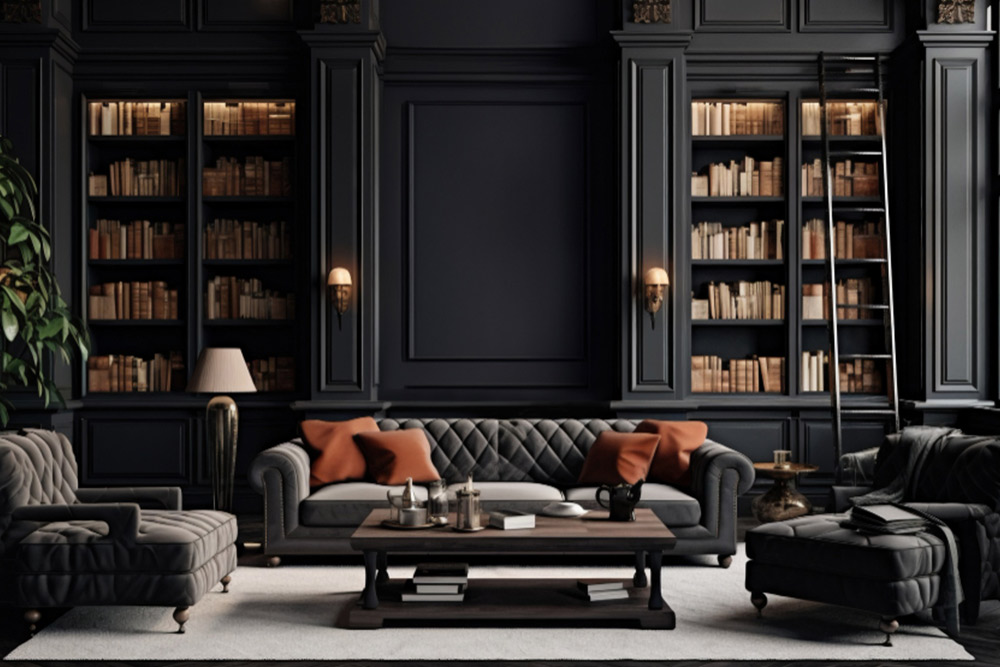
- Artwork
- Feature walls
- Architectural details
- Decorative objects
- Shelving
- Textured surfaces
This type of lighting adds depth and creates visual hierarchy within the room.
4. Decorative Lighting
Some lighting fixtures are design elements in their own right.
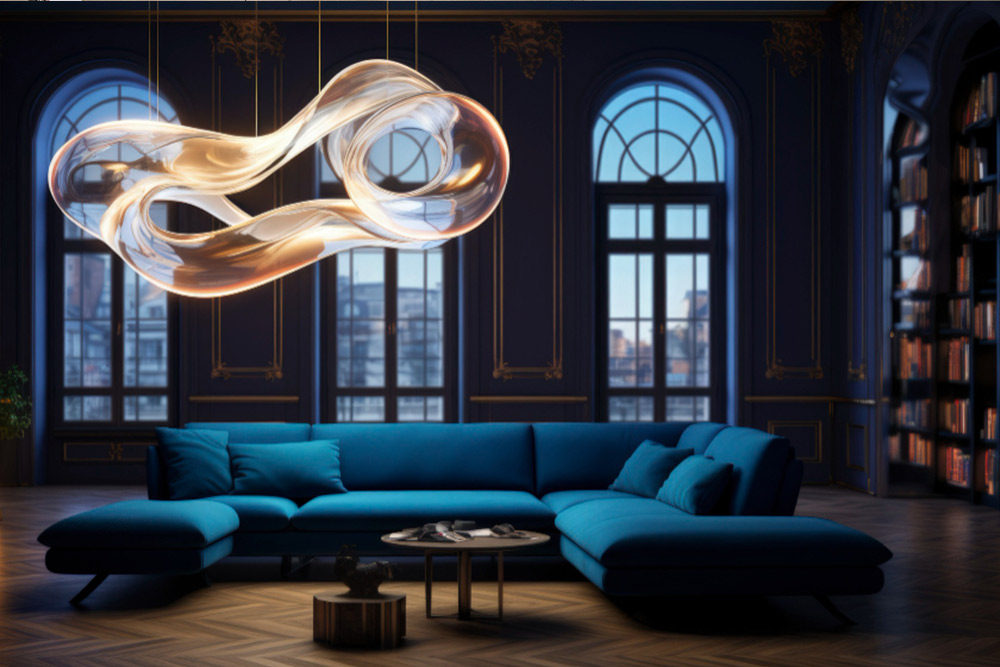
A chandelier, pendant, sculptural floor lamp, or decorative wall light can become a statement feature.
These fixtures can add personality and character while providing useful illumination.
5. Cove Lighting
Cove lighting is particularly popular in contemporary interiors.
It is usually concealed within ceilings, wall details, or architectural recesses.
Instead of seeing the light source directly, you see the soft illumination it creates.
This can produce an elegant and subtle atmosphere.
6. Use Warm Lighting for Comfort
The colour temperature of lighting can dramatically influence the mood of a room.
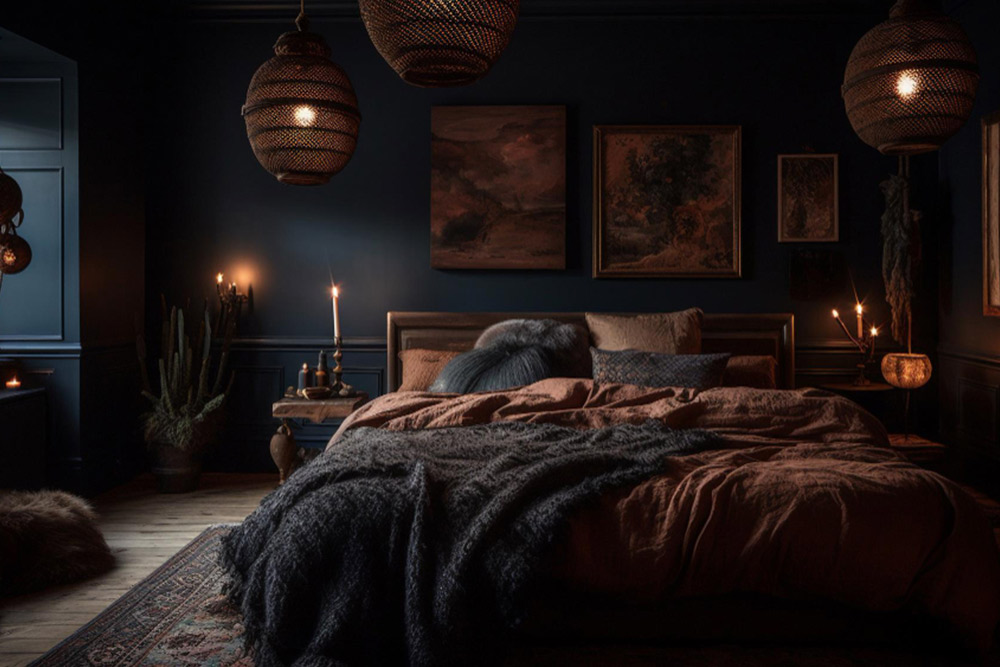
Warm lighting generally creates a softer and more comfortable environment, making it particularly suitable for living rooms, bedrooms, dining spaces, and relaxation areas.
Cooler lighting can be useful in areas where clear visibility and focused activity are important.
The lighting temperature should always complement the purpose of the room.
7. Highlight Architectural Details
Good lighting can make architectural features stand out.
A textured wall, wooden panel, marble surface, niche, false ceiling, or decorative partition can become much more visually interesting when illuminated correctly.
Instead of adding more décor, sometimes simply improving the lighting can transform the appearance of the space.
8. Layer Different Lighting Types
One of the biggest mistakes in interior lighting is relying on a single light source.
A better approach is to combine multiple layers.
For example, a living room might include:
Ambient lighting + cove lighting + accent lighting + decorative lighting
This allows the lighting to change depending on the occasion.
Bright lighting can be used during gatherings, while softer accent lighting can create a relaxed evening atmosphere.
9. Consider Natural Light
Artificial lighting isn’t the only source of illumination.
Natural light should be considered during the planning stage.
Window placement, curtains, blinds, mirrors, glass partitions, and furniture positioning can all influence how natural light moves through a room.
A good interior design balances natural and artificial lighting.
10. Make Lighting Part of the Architecture
The best lighting designs don’t always look like lighting.
Integrated LED strips, concealed fixtures, recessed lights, and architectural illumination can become part of the structure itself.
This creates a clean and sophisticated appearance while maintaining functionality.
Final Thoughts
Lighting is one of the most powerful tools in interior design.
It can highlight beautiful materials, create atmosphere, improve functionality, and completely change the perception of a space.
At Artocus Architecture & Interior Solutions, we believe lighting should be considered from the beginning of the design process rather than added as an afterthought.
Because when the right design meets the right light, a space doesn’t just look different—it feels different.